We are living through a defining moment in human history. Across the tropics, rainforests are falling. Species are vanishing. Communities are displaced. The destruction is not accidental — it is driven by an industrial food system dominated by powerful multinational corporations whose supply chains reach into the last wild places on Earth.
According to investigations by Greenpeace International, palm oil suppliers linked to some of the world’s biggest brands — including Unilever, Nestlé, Colgate-Palmolive and Mondelez International — cleared more than 130,000 hectares of rainforest in less than three years. That is an area nearly twice the size of Singapore.
Forty percent of this destruction occurred in Papua, Indonesia — one of the most biodiverse regions on Earth and, until recently, largely untouched by the palm oil industry.
This is not just deforestation. It is ecological collapse in motion.
The Web of Destruction
The investigation found that 12 major global brands were sourcing palm oil from at least 20 of the destructive producer groups. At the centre of this web sits Wilmar International, the world’s largest palm oil trader.
In 2013, Wilmar pledged a “No Deforestation, No Peat, No Exploitation” policy. Yet years later, evidence shows ongoing links to rainforest destruction, peatland fires, habitat clearance and land grabbing from Indigenous communities.
This is what corporate greenwashing looks like: public promises, private destruction.
The True Cost of Palm Oil
Palm oil plantations are not just plantations — they are frontline zones in the climate and biodiversity crisis.
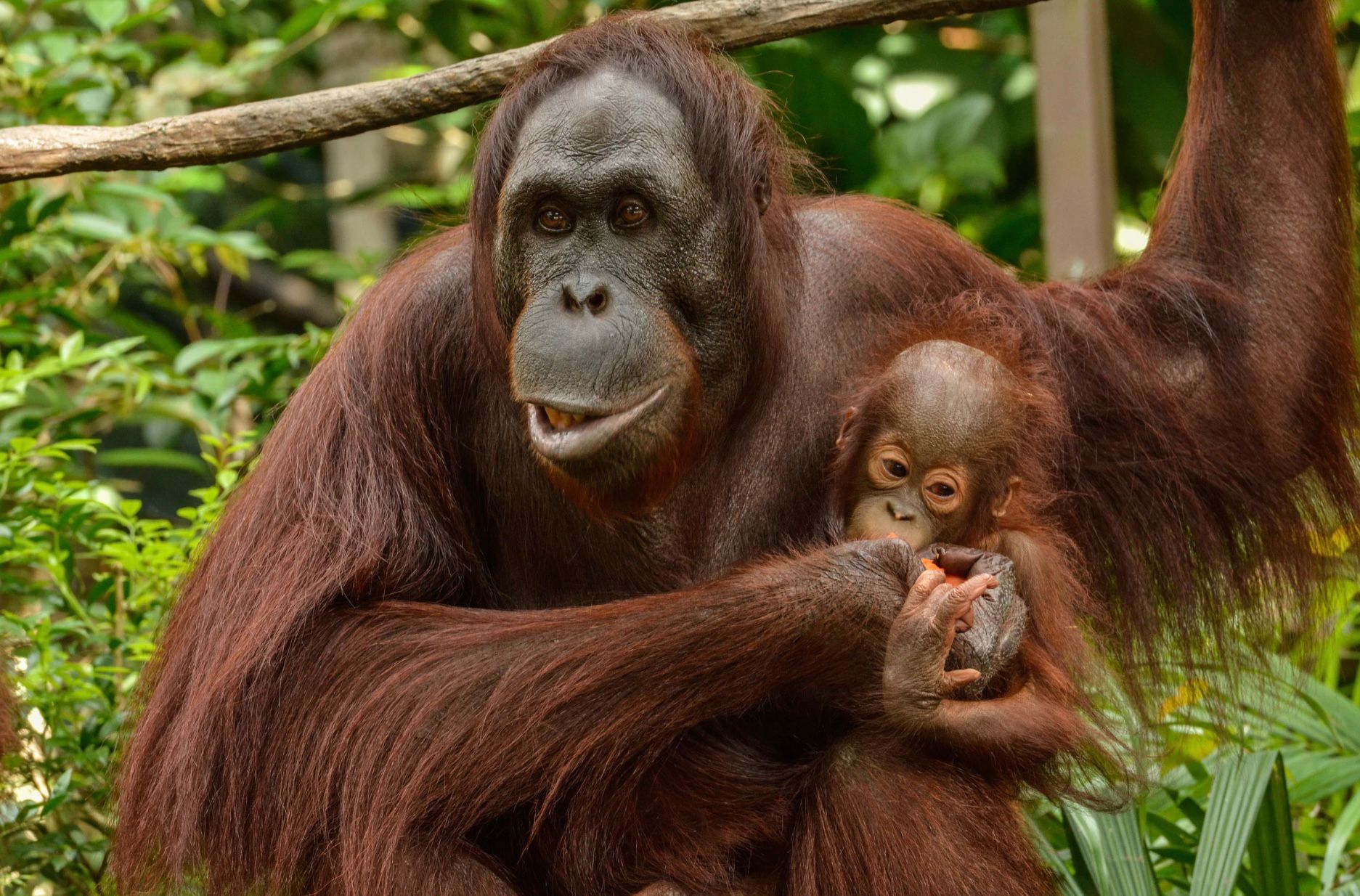
- Half of the Bornean orangutan population has been wiped out in just 16 years, largely due to habitat destruction from palm oil expansion.
- More than three-quarters of Tesso Nilo National Park have been converted into illegal palm plantations.
- Globally, 193 threatened species are impacted by palm oil production.
- Around 24 million hectares of Indonesian rainforest were destroyed between 1990 and 2015.
- Peatland drainage and burning have pushed Indonesia into the top tier of global greenhouse gas emitters — alongside the United States and China.
- The 2015 Indonesian fires produced toxic haze linked by researchers at Harvard and Columbia Universities to an estimated 100,000 premature deaths, costing the World Bank US$16 billion.
Palm oil expansion is also linked to worker exploitation, child labour, and land theft.
This is not simply an environmental issue. It is a moral one.
“They’re Literally Dying for a Cookie”
An investigation revealed that suppliers to Mondelez International — maker of brands like Oreo — destroyed nearly 25,000 hectares of orangutan habitat in just two years.
Palm oil can be produced without destroying forests. Yet major corporations continue to source from suppliers associated with illegal deforestation and exploitation.
Consumers are told they are buying harmless snacks. In reality, orangutans are being pushed to extinction, rainforests are burned, and the climate crisis accelerates.
The System Is the Problem
The plantation model — built on monocultures, land concentration and global commodity markets — is fundamentally extractive. It is designed to maximise short-term profit, not long-term planetary health.
Boycotts alone will not solve this crisis, but they are a powerful tool. When we withdraw our purchasing power from companies that destroy forests and exploit communities, we send a clear message: profit cannot come before life.
We must demand:
- Full supply chain transparency
- Immediate zero-deforestation enforcement
- Protection of Indigenous land rights
- A rapid transition away from destructive monocultures
And we must build the alternative.
Veganic Agriculture: The Regenerative Alternative
Veganic agriculture offers a radically different path.
It demonstrates that we can grow abundant, nutritious food:
- Without animal exploitation
- Without synthetic fertilisers and toxic chemicals
- Without monoculture-driven biodiversity collapse
- Without contributing to deforestation
Veganic systems prioritise soil biology, plant-based fertility, biodiversity, and ecological balance. They reject the extractive logic of industrial agriculture and instead work with nature, not against it.
A veganic future means:
- Diverse cropping systems instead of monocultures
- Local food sovereignty instead of global commodity chains
- Healthy soils that sequester carbon instead of releasing it
- Food production that restores ecosystems rather than destroying them
This is not utopian — it is practical, scalable and already being implemented by farmers around the world.
A Call to Action
We cannot wait for multinational corporations to reform themselves. History shows that meaningful change comes from organised citizens, ethical producers and conscious consumers.
Here’s what we can do:
- Boycott products linked to destructive palm oil supply chains.
- Support veganic farmers and local organic producers.
- Demand transparency from brands and retailers.
- Educate our communities about the true cost of industrial agriculture.
- Grow food veganic — at home, in communities, and on farms.
The destruction of rainforests is not inevitable. The extinction of orangutans is not inevitable. Climate breakdown is not inevitable.
But continuing on our current path is.
The future belongs to systems that nourish rather than exploit, regenerate rather than extract, and empower communities rather than concentrate power in corporate boardrooms.
Veganic agriculture is more than a farming method.
It is a blueprint for a just and living planet.
Let us build it — together.
Support the work of the Vegan Organic Network by joining or donating.